Understanding Cupping Therapy and Its Potential Role in Weight Loss
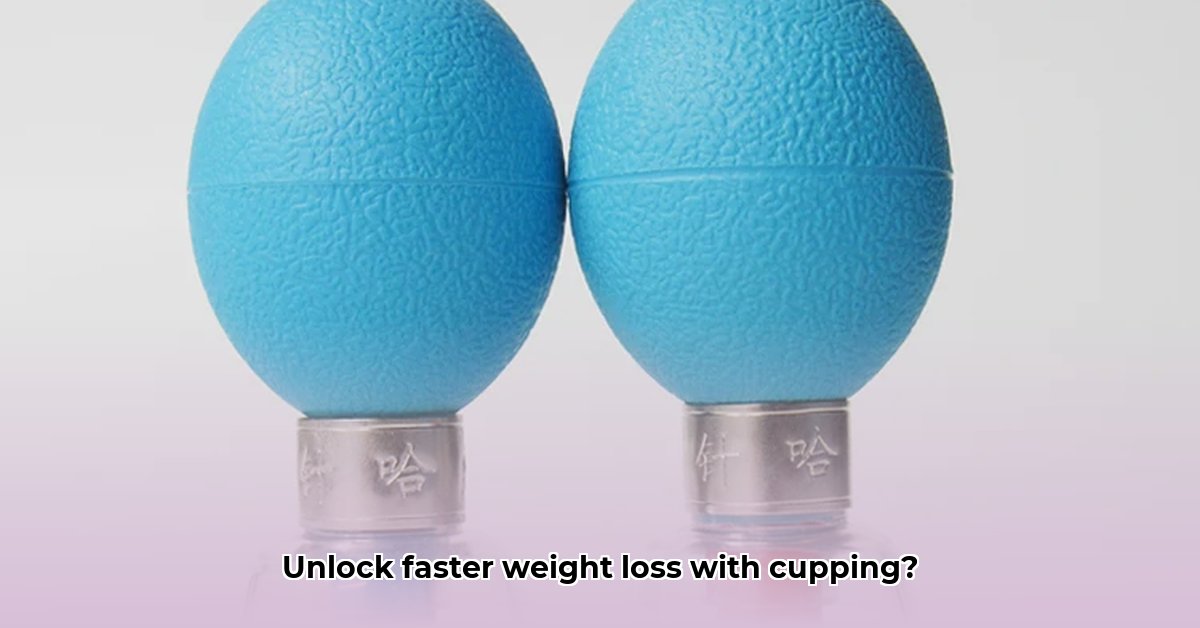
Could an ancient practice like cupping therapy truly contribute to weight loss? While the idea sparks curiosity, separating fact from fiction requires a balanced look at the current evidence. Cupping, a cornerstone of Traditional Chinese Medicine (TCM), involves applying special cups to the skin to create suction. In TCM, this is believed to improve the flow of "Qi" (vital energy) and alleviate blockages. For weight loss, practitioners often target points thought to influence metabolism and lymphatic drainage. Think of it as unclogging a system to enhance its efficiency.
However, it's crucial to acknowledge the limited research specifically linking cupping to significant weight loss. While some studies suggest potential benefits, more rigorous, large-scale trials are necessary to draw definitive conclusions. Is there any preliminary evidence that warrants further exploration? Yes, studies show some association between cupping and improved circulation, which could indirectly support weight loss by improving nutrient delivery and waste removal. Additionally, cupping's potential to reduce inflammation, a factor often linked to obesity, is also being explored.
How Cupping Might Contribute to Weight Management
Improved blood flow, a frequently reported benefit of cupping, might enhance nutrient delivery to cells and facilitate efficient waste removal. This improved cellular function is a possible mechanism by which cupping might support weight loss. Furthermore, cupping's potential to reduce inflammation, frequently associated with obesity, adds to its intrigue. Many believe the suction also stimulates lymphatic drainage, supporting the body's natural detoxification processes. These are potential mechanisms, however, robust scientific evidence is still lacking.
What to Expect During a Cupping Session
A typical cupping session involves a trained practitioner placing cups on your back, abdomen, or other areas. You'll likely feel a gentle pulling sensation, which shouldn't be painful. The cups remain in place for approximately 10-15 minutes. Post-session, you may observe mild bruising, a temporary side effect that typically resolves quickly. This is analogous to a gentler form of deep tissue massage.
Integrating Cupping into a Comprehensive Weight Loss Strategy
It's vital to remember that cupping is not a standalone weight-loss solution. It's most effective when combined with a holistic approach that encompasses other key components. Imagine cupping as a performance enhancer—you still require the optimal fuel (healthy diet) and regular maintenance (exercise) for peak results. A balanced plan is indispensable. Dr. Anya Sharma, a licensed acupuncturist and TCM practitioner at the Center for Integrative Medicine, emphasizes, "Cupping should be viewed as a supportive therapy, not a miracle cure. Its benefits are maximized when integrated into a well-rounded weight management program."
Choosing a Qualified Practitioner and Assessing Potential Risks
Before undergoing cupping, consulting your physician or a licensed TCM practitioner is paramount. They can assess your suitability, discuss potential interactions with existing medical conditions, and recommend a personalized treatment plan. Cupping may not be appropriate for pregnant individuals or those with certain health issues. Selecting a qualified, licensed professional is crucial to minimize risks; improper techniques could lead to skin irritation, infection, or bruising. Thorough research to find a reputable practitioner is advisable.
Weighing the Pros and Cons: A Balanced Perspective
| Pros | Cons |
|---|---|
| May improve circulation and nutrient delivery | Limited scientific evidence supporting weight loss |
| May reduce inflammation | Potential for skin irritation or bruising |
| May stimulate lymphatic drainage | Requires a qualified and licensed practitioner to minimize risks |
| Non-invasive procedure | Not a standalone solution; must be combined with lifestyle changes |
| Potential for relaxation and stress reduction | Results may vary significantly between individuals |
Actionable Steps for Incorporating Cupping into Your Weight Loss Journey
- Consult a Professional: Schedule a consultation with a licensed and experienced TCM practitioner to assess your suitability for cupping.
- Integrate with Healthy Habits: Maintain a balanced diet rich in whole foods, and incorporate regular exercise into your routine.
- Set Realistic Goals: Understand that weight loss is a journey, not a race. Cupping may offer supplementary benefits, but it's not a rapid fix.
- Monitor Progress: Track your progress to assess efficacy and make adjustments to your overall approach as needed.
The Bottom Line: A Realistic and Balanced View
Cupping offers a compelling, albeit unproven, complementary approach to weight management. It may potentially improve circulation and reduce inflammation, potentially benefiting weight loss efforts. However, maintaining realistic expectations is key. Combine cupping with a holistic strategy that prioritizes a balanced diet, regular exercise, and guidance from your healthcare providers for optimal results. Remember, cupping is a supportive tool, not a magic bullet.